"Inebriabuntur ab ubertate domus tuae, et torrente voluptatis tuae potabis eos; quoniam apud te est fons vitae, et in lumine tuo videbimus lumen." (Ps. 35,9-10)

kedd, július 10, 2007

A Summorum Pontificum magyar szövege

Amint azt tegnap megígértem, most közzéteszem a július 7-én megjelent pápai motu proprio és kísérő levél magyar fordítását is. A szövegért köszönet illeti kiváló latinista barátomat, Rihmer Zoltánt, aki ezt a fordítást a Szent István Társulat megbízásából készítette. A szöveg már július 9-én fölkerült a magyarkurir.hu honlapra, de onnan másnap le is vették (a jelenség meglehetősen furcsa).


A Szentatya, XVI. Benedek pápa levele
az egész világ püspökeihez
az 1970-es reform előtti római liturgia használatáról szóló
motu proprio bemutatásáról

Fordította: Rihmer Zoltán

Kedves Testvéreim a püspökségben!

Nagy bizalommal és reménnyel adom pásztori kezetekbe új motu proprio kiadott apostoli levelem szövegét az 1970-es reform előtti római liturgia használatáról. A dokumentum hosszú mérlegelés, sok konzultáció és imádság gyümölcse.

A megfelelő információk hiányában közzétett hírek és vélemények nem kevés zavart okoztak. Egymástól igen eltérő reakciókat hallhattunk az örömteli elfogadástól egészen a kemény ellenállásig egy olyan tervezettel kapcsolatban, amelynek tartalma valójában ismeretlen volt.

A dokumentumot ért támadások alapvetően kétfajta félelemre épülnek, ezekkel szeretnék egy kissé közelebbről foglalkozni ebben a levélben.

Először is van egy olyan félelem, hogy a dokumentum aláássa a II. Vatikáni Zsinat tekintélyét, amennyiben kétségbe vonja egyik alapvető döntését, a liturgikus reformot. Ez a félelem alaptalan. Ezzel kapcsolatban mindenekelőtt azt kell elmondani, hogy a VI. Pál által kiadott, majd II. János Pál által két további kiadásban újra megjelentetett Misekönyv értelemszerűen az eucharisztikus liturgia normális, rendes formája (forma ordinaria) és az is marad. A zsinatot megelőző Missale Romanum legutolsó kiadását, amely 1962-ben XXIII. János pápa tekintélyével jelent meg, és amelyet a zsinat folyamán is használtak, ezzel szemben a liturgikus ünneplés rendkívüli formájaként (forma extraordinaria) lehet majd használni. Nem helyénvaló úgy beszélni a Római Misekönyv e két kiadásáról, mintha „két rítust” képviselnének; ehelyett inkább egy és ugyanazon rítus kettős gyakorlatáról (usus) van szó.

Ami az 1962-es Misekönyvet mint a mise liturgiájának rendkívüli formáját illeti, szeretném felhívni a figyelmet arra a tényre, hogy ez a Misekönyv jogilag soha nem lett eltörölve, következésképpen használata elvileg mindig engedélyezve volt. Az új Misekönyv bevezetésekor nem látszott szükségesnek, hogy külön szabályokat adjanak ki a korábbi Misekönyv lehetséges használatáról. A háttérben valószínűleg az a feltételezés állt, hogy mindössze néhány egyedi esetről lesz szó, amelyeket helyi szinten egyenként is meg lehet oldani. Utóbb azonban hamar kiderült, hogy igen sokan továbbra is erősen kötődnek a római rítusnak ehhez a gyakorlatához, amely gyermekkoruk óta ismerős volt számukra. Mindez elsősorban azokban az országokban történt így, amelyekben a liturgikus mozgalom sokakat részesített komoly liturgikus nevelésben és vezetett el a liturgikus ünneplés korábbi formájával való mély, személyes kapcsolatra. Mindnyájan tudjuk, hogy a Lefebvre érsek által vezetett mozgalomban a régi Misekönyvhöz való hűség külső ismertetőjellé vált; az ebből származó szakadásnak azonban mélyebb okai voltak. Sokan voltak, akik egyértelműen elfogadták a II. Vatikáni Zsinat kötelező jellegét, és hűségesek maradtak a pápához és a püspökökhöz, ugyanakkor azt is szerették volna, ha visszakaphatják a szent liturgia számukra kedves formáját. Ez elsősorban azért alakult így, mert a liturgikus ünneplések sok helyütt nem követték hűségesen az új Misekönyv előírásait, amelyeket egyenesen úgy fogtak fel, mintha lehetővé, sőt kötelezővé tennék a kreativitást, ami gyakran a liturgia már alig tűrhető torzulásaihoz vezetett. Mindezt saját tapasztalataim alapján mondom, hiszen én is átéltem ezt az időszakot a maga reményeivel és zavarodottságával együtt. Azt is láttam, milyen mély lelki sebeket okozott a liturgia önkényes eltorzítása olyan személyekben, akiknek élete mélyen az Egyház hitében gyökerezett.

Ezért érezte kötelességének II. János Pál pápa, hogy az 1988 július 2-án kiadott Ecclesia Dei motu proprióval keretszabályt adjon az 1962-es Misekönyv használatára nézve. Ez a dokumentum azonban nem tartalmazott részletes előírásokat, hanem általánosságban arra számított, hogy a püspökök nagylelkűen válaszolnak majd azon hívek „jogos lelki igényeire”, akik a római rítusnak ezt a gyakorlatát kérték tőlük. Abban az időben a pápa elsősorban a X. Szent Pius Testvérületet akarta hozzásegíteni ahhoz, hogy ismét teljes egységre lépjen Péter utódával, és egy olyan sebet próbált meg begyógyítani, amely azóta is egyre fájdalmasabban ég. Erre a kiengesztelődésre sajnos nem került sor. Mindazonáltal számos közösség hálásan élt a motu proprióban felkínált lehetőségekkel. Továbbra sem volt könnyű azonban az 1962-es Misekönyv használata ezeken a csoportokon kívül, mivel hiányoztak a részletes jogszabályok, s főleg mert a püspökök gyakran attól féltek, hogy az ilyen esetek kétségbe vonják a zsinat tekintélyét. Közvetlenül a II. Vatikáni Zsinat után arra lehetett számítani, hogy az 1962-es Misekönyv használatának igénye csak az idősebb nemzedékre korlátozódik, amely vele együtt nőtt fel, ám időközben nyilvánvalóvá vált, hogy ezt a liturgikus formát a fiatalok is felfedezték maguknak, megérezték a benne rejlő vonzerőt és megtalálták benne a Legméltóságosabb Oltáriszentség Misztériumával való találkozás kifejezetten rájuk szabott módját. Így született meg a pontosabb jogi szabályozás igénye, amely az 1988-as motu proprio idején még nem volt előre látható. A jelen szabályoknak ugyanakkor az is célja, hogy megszabadítsák a püspököket attól, hogy állandóan esetileg kelljen mérlegelniük a különféle helyzetekre adandó válaszaikat.

Másodikként az a félelem fogalmazódott meg az új motu proprióról folyó viták során, hogy az 1962-es Misekönyv szélesebb körű használata rendezetlenséghez, sőt szakadáshoz vezethet a plébániai közösségeken belül. Úgy tűnik számomra, hogy ez a félelem sem igazán megalapozott. A régi Misekönyv használata a liturgikus képzettség bizonyos fokát és a latin nyelv valamelyes ismeretét feltételezi; manapság ezek egyike sem túl gyakori. Már ebből a két konkrét előfeltételből is világosan látszik, hogy a római rítus rendes formája minden bizonnyal az új Misekönyv marad, és nemcsak a normatív szabályozás alapján, hanem a miatt a valós helyzet miatt is, amelyben a hívek közössége él.

Igaz, hogy vannak túlzások, olykor pedig szociológiai szempontok is, amelyek helytelen módon tapadnak az ősi latin liturgikus hagyományhoz ragaszkodó hívek attitűdjéhez. A Ti szeretetetek és lelkipásztori bölcsességetek serkentsen és vezessen ezek tökéletesítésére. A római rítus gyakorlatának két formája egyébként is kölcsönösen gazdagíthatja egymást: az új szentek anyaga és néhány új prefáció beilleszthető és be is illesztendő a régi Misekönyvbe. Az „Ecclesia Dei” Bizottság — kapcsolatban állva a régebbi gyakorlat (usus antiquior) iránt elkötelezett különböző szervezetekkel — tanulmányozni fogja az ilyen irányú praktikus lehetőségeket. Ugyanakkor a VI. Pál Misekönyve szerint ünnepelt szentmise is képes lesz rá, hogy erősebben juttassa kifejezésre azt a szakralitást, amely sokakat a régebbi gyakorlathoz vonz. A legbiztosabb garancia arra, hogy VI. Pál Misekönyve egyesíteni tudja a plébániai közösségeket és hogy azok szeretettel tudnak élni vele, abban áll, ha nagy tisztelettel és a liturgikus előírások megtartásával celebrálják. Mindez láthatóvá fogja tenni e Misekönyv lelki gazdagságát és teológiai mélységét.

Itt érkezem el ahhoz a pozitív megokoláshoz, amely arra a döntésre késztetett, hogy kiadjam ezt a motu propriót, megújítva az 1988-as szabályozást. Az Egyházon belüli kiengesztelődésről van szó. Visszatekintve a múltba, a Krisztus Testét évszázadokon át szétszaggató megoszlásokra, az az érzésünk, hogy a megoszlások kialakulásának kritikus pillanataiban az Egyház vezetői nem tettek meg minden tőlük telhetőt, hogy fenntartsák vagy ismét elérjék a kiengesztelődést és az egységet. Az az érzésünk, hogy az Egyház részéről történt mulasztások maguk is hozzájárultak ahhoz a szégyenletes tényhez, hogy e megoszlások meg tudtak szilárdulni. Ez a múltba való visszatekintés ma arra kötelez bennünket, hogy minden erőnkkel azon legyünk, hogy mindazok, akik valóban kívánják az egységet, megmaradhassanak ebben az egységben, vagy ismét megtalálhassák azt. A Korintusiakhoz írt második levél egy mondata jut eszembe, ahol Pál ezt írja (2 Kor 6, 11—13): „A szánk megnyílt felétek, korintusiak, s a szívünk kitárult. Nem bennünk van szűk hely számotokra, hanem a ti szívetekben szűk a hely. Hogy pedig ezt viszonozzátok, […] tárjátok ki ti is szíveteket!” Pál természetesen más kontextusban szólalt meg, ez a buzdítás azonban minket is érint és kell hogy érintsen, különösen ebben a helyzetben. Tárjuk ki nagylelkűen szívünket, és teremtsünk benne helyet mindannak, amit maga a hit kínál fel!

A Római Misekönyv két kiadása nem áll ellentmondásban egymással. A liturgia történetét a növekedés és haladás jellemzi, nem pedig a törés. Amit az előző nemzedékek szentnek tartottak, a mi számunkra is szent és nagyszerű marad, és nem lehet egyik pillanatról a másikra teljes egészében megtiltani vagy egyenesen károsnak ítélni. Mindnyájunknak javára szolgál, ha megőrizzük azokat a gazdagságokat, amelyek az Egyház hitében és imádságában növekedtek, ha megadjuk nekik az őket megillető helyet. A teljes közösség megéléséhez természetesen a korábbi gyakorlathoz kötődő közösségek papjai sem zárhatják ki elvi alapon a liturgiának az új könyvek szerint való végzését. A rítus megújított formájának teljes kizárása nehezen volna összeegyeztethető értékének és szent voltának elismerésével.

Befejezésül, kedves Testvéreim, szeretném kifejezetten hangsúlyozni, hogy ezek az új szabályok egyáltalán nem csökkentik a püspökök tekintélyét és felelősségét akár a liturgia, akár pedig a hívek lelkipásztori ellátása terén. Valójában minden püspököt megillet a jog, hogy saját egyházmegyéjében a liturgia irányítója legyen (vö. Sacrosanctum Concilium, 22. p.: „Sacrae Liturgiae moderatio ab Ecclesiae auctoritate unice pendet, quae quidem est apud Apostolicam Sedem et, ad normam iuris, apud Episcopum”).

Semmiben sem szenved tehát csorbát a püspökök tekintélye, hiszen továbbra is az ő feladatuk lesz afölött őrködni, hogy minden békésen és nyugodtan történjék. Ha esetleg olyan probléma adódnék, amelyet a plébános nem tud megoldani, a helyi ordináriusnak mindig lehetősége lesz rá, hogy közbelépjen, de csak a motu proprióban előírt új szabályokkal teljes összhangban.

Ezenkívül felkérlek Benneteket, kedves Testvéreim, hogy három évvel a jelen motu proprio hatályba lépése után számoljatok be a Szentszéknek tapasztalataitokról. Ha valóban komoly nehézségek adódnának, azokra is megoldást lehet keresni.

Kedves Testvéreim, hálával és bizalommal bízom pásztori szívetekre ezeket a sorokat és a motu proprio szabályait. Emlékezzünk mindig Pál apostol szavaira, amelyeket az efezusi presbiterekhez intézett (ApCsel 20, 28): „Vigyázzatok magatokra és az egész nyájra, amely fölé a Szentlélek elöljáróul helyezett titeket, hogy kormányozzátok Isten egyházát, amelyet tulajdon vérén szerzett.”

Ezeket a szabályokat Máriának, az Egyház Anyjának hathatós közbenjárására bízom, és szívből adom apostoli áldásomat Rátok, kedves Testvéreim, egyházmegyéitek plébánosaira és minden, Veletek együtt munkálkodó papra, valamint összes hívetekre.

Kelt Szent Péternél, 2007 július 7-én


XVI. BENEDEK PÁPA

Őszentsége XVI. Benedek pápa
Summorum Pontificum motu propriója
az 1970-es reform előtti római liturgia használatáról

Fordította: Rihmer Zoltán

XVI. Benedek pápa

A pápák egészen napjainkig mindig gondoskodtak arról, hogy Krisztus Egyháza méltó tiszteletet mutasson be az Isteni Felségnek, „nevének dicséretére és dicsőségére” és „egész Anyaszentegyháza javára”.

Emberemlékezetet meghaladó idő óta megtartották, és a jövőben is meg kell tartani azt az alapelvet, „amely szerint minden egyes részegyháznak meg kell egyeznie az egyetemes Egyházzal nemcsak a hitbeli tanítás és a szentségi jelek tekintetében, hanem az apostoli és folytonos hagyomány által egyetemesen közvetített gyakorlatban is, és mindezt nemcsak azért kell megtartani, hogy elkerülhetők legyenek a tévedések, hanem hogy a hitet a maga teljességében lehessen továbbadni, mivel az Egyház imádságának törvénye (lex orandi) megfelel hite törvényének (lex credendi)”.[1]

Azoknak a pápáknak a sorában, akik minderről kellőképp gondoskodtak, kiemelkedik Nagy Szent Gergely neve, aki biztosította, hogy mind a katolikus hitet, mind pedig az istentiszteletnek és a kultúrának a rómaiak által a korábbi századokban felhalmozott kincseit továbbadják Európa új népeinek. Elrendelte a szent liturgia — mind a szentmise, mind pedig a zsolozsma — formájának rögzítését és megőrzését úgy, ahogy azt Róma városában ünnepelték. Igencsak támogatta a szerzeteseket és a szerzetesnőket is, akik Szent Benedek Regulája szerint küzdve az Evangélium hirdetése mellett életükkel is mindenütt jelenvalóvá tették a Regulának azt a rendkívül üdvös mondatát, hogy „az isteni szolgálatnak semmit elébe ne helyezzenek” (43. fej.). Ily módon a római szokások szerint ünnepelt szent liturgia számos népnek nemcsak a hitét és jámborságát, hanem a kultúráját is megtermékenyítette. Közismert tény, hogy az Egyház latin liturgiája a maga különböző formáiban a kereszténység minden századában milyen sok szent lelki életét ösztönözte, s hogy mennyi népet erősített meg a vallás erényében és mennyire termékenyítően hatott jámborságukra.

Arról pedig, hogy a szent liturgia ezt a funkcióját még hatékonyabban töltse be, az idők során számos más római pápa különös módon gondoskodott; közöttük is kiemelkedik V. Szent Pius, aki a Tridenti Zsinat buzdítására nagy lelkipásztori buzgalommal megújította az Egyház egész istentiszteleti rendjét, gondozta a kijavított és „az Atyák szabályai szerint megreformált” liturgikus könyvek kiadásait, és közreadta őket a Latin Egyház használatára.

A római rítus liturgikus könyvei között nyilvánvalóan kiemelkedik a Római Misekönyv, amely Róma városában alakult ki, s a későbbi századok során fokozatosan öltött olyan formákat, amelyek nagy hasonlóságot mutatnak az újabb időkben meglevő alakjával.

„Ugyanezt a célkitűzést követték a későbbiekben a római pápák, amikor gondoskodtak a rítusok és a liturgikus könyvek naprakésszé tételéről vagy pontosításáról, majd pedig a [XX.] század elején általános reformjukra vállalkoztak.”[2] Ezen az úton jártak Elődeink, VIII. Kelemen, VIII. Orbán, X. Szent Pius,[3] XV. Benedek, XII. Pius és XXIII. Boldog János.

Az utóbbi időben a II. Vatikáni Zsinat kifejezte azt a szándékát, hogy ismét álljon helyre az istentiszteletnek kijáró tisztelet és az előírások megtartása, és igazodjék a modern kor szükségleteihez. Ettől a szándéktól indíttatva Elődünk, VI. Pál pápa 1970-ben jóváhagyta a Latin Egyház megreformált és részben megújított liturgikus könyveit, amelyeket az egész világon számos népnyelvre lefordítottak, s a püspökök, valamint a papok és hívek készségesen fogadtak el. A Római Misekönyv harmadik mintakiadásban való átdolgozását (recognitio) II. János Pál hagyta jóvá. A római pápák így azon munkálkodtak, „hogy ez a «liturgikus épület» […] újra méltóságával és összhangjával ékesen” álljon előttünk.[4]

Bizonyos vidékeken azonban számos hívő oly nagy szeretettel és vonzódással kötődött és kötődik ma is a korábbi liturgikus formákhoz, amelyek igen mélyen átitatták kultúrájukat és lelkiségüket, hogy II. János Pál pápa az e hívek iránti lelkipásztori gondoskodástól indíttatva 1984-ben egy külön engedéllyel (indultum), az Istentiszteleti Kongregáció Quattuor abhinc annos levelével felhatalmazást adott a XXIII. János által kiadott Római Misekönyv használatára; majd 1988-ban ugyancsak II. János Pál az Ecclesia Dei motu proprióval arra buzdította a püspököket, hogy ezt a felhatalmazást széles körben és nagylelkűen alkalmazzák az összes ezt kérő hívő javára.

E hívek kitartó kérésére, amelyet már Elődünk, II. János Pál hosszasan megfontolt, meghallgatva a 2006 március 23-án tartott konzisztóriumon a bíboros atyák véleményét, mindent éretten megfontolva, segítségül híván a Szentlelket és Isten támogatásában bizakodva, jelen apostoli levelünkkel a következőket rendeljük el:

1. cikkely. A VI. Pál által kihirdetett Római Misekönyv a latin rítusú Katolikus Egyház lex orandijának rendes kifejeződése. Az V. Szent Pius által kihirdetett és XXIII. Boldog János által újra kiadott Római Misekönyvet pedig az Egyház ugyanezen lex orandija rendkívüli kifejeződésének kell tekinteni, s tiszteletreméltó és ősi használata miatt a neki kijáró tiszteletben kell tartani. Az Egyház lex orandijának e két kifejeződése azonban egyáltalán nem vezet megoszláshoz az Egyház lex credendije körében, hiszen az egyetlen római rítus két gyakorlatát (usus) jelenítik meg.

A szentmiseáldozatot tehát szabad a Római Misekönyvnek XXIII. Boldog János által 1962-ben kihirdetett és soha vissza nem vont mintakiadása szerint ünnepelni mint az Egyház liturgiájának rendkívüli formáját. Azoknak a feltételeknek a helyébe pedig, amelyeket a korábbi Quattuor abhinc annos és Ecclesia Dei dokumentumok e Misekönyv használatára előírtak, a következők lépnek:

2. cikkely. A nép nélkül végzett misékben bármely latin rítusú katolikus pap — akár egyházmegyés, akár szerzetes — használhatja vagy a XXIII. Boldog János pápa által 1962-ben kiadott Római Misekönyvet, vagy pedig a VI. Pál pápa által 1970-ben kihirdetett Római Misekönyvet, mégpedig bármely napon a Szent Háromnapot kivéve. Az efféle, egyik vagy másik Misekönyv szerinti celebráláshoz a pap nem szorul semmilyen engedélyre, sem az Apostoli Szentszékére, sem pedig az ordináriuséra.

3. cikkely. Ha a megszentelt élet intézményeihez vagy az apostoli élet társaságaihoz tartozó — akár pápai, akár egyházmegyei jogú — közösségek azt kívánják, hogy „közösségi” vagy konventmiséiken saját kápolnájukban a Római Misekönyv 1962-ben kihirdetett kiadása szerint ünnepelhessék a szentmisét, ezt szabadon megtehetik. Ha az ilyen miséket egy adott közösség vagy egy egész intézet, illetve társaság gyakran vagy tartósan vagy állandóan kívánja végezni, a döntést a nagyobb elöljárók hozzák meg a jog szabályai szerint és a részleges törvények és szabályzatok alapján.

4. cikkely. A fenti 2. cikkelyben említett szentmiséken — a jog előírásait megtartva — részt vehetnek azok a krisztushívők is, akik ezt önként kérik.

5. cikkely, 1. §. Azokon a plébániákon, ahol a korábbi liturgiához kötődő híveknek állandó csoportja található, a plébános fogadja készségesen a kérésüket a szentmisének az 1962-ben kiadott Római Misekönyv rítusa szerinti ünneplésére vonatkozóan. Gondoskodjék róla, hogy harmonikus egyensúly jöjjön létre e hívek lelki java és a plébánia rendes lelkipásztori ellátásának igénye között, a püspök fennhatósága alatt a 392. kánon szabályai szerint, kerülve a viszálykodást és törekedve az egész Egyház egységére.

2. §. A XXIII. Boldog János Misekönyve szerinti szentmisékre hétköznaponként kerülhet sor; egy ilyen mise azonban vasár- és ünnepnapokon is lehetséges.

3. §. A plébános az e rendkívüli formában végzett szertartásokat az ezt kérő híveknek vagy papoknak olyan különleges helyzetben is engedje meg, amilyen a házasságkötés, a temetés vagy az alkalmi szertartások, pl. a zarándoklatok.

4. §. A XXIII. Boldog János Misekönyvét használó papoknak olyanoknak kell lenniük, akik erre alkalmasak és akiket a jog ebben nem akadályoz.

5. §. A nem szerzetesi vagy plébániatemplomokban a fenti engedély megadására a templomigazgató jogosult.

6. cikkely. A XXIII. Boldog János Misekönyve szerinti, néppel végzett szentmiséken az olvasmányokat népnyelven is fel lehet olvasni, ha olyan kiadásokat használnak, amelyek elnyerték az Apostoli Szentszék recognitióját.

7. cikkely. Ha a világi hívek 5. cikkely 1. §-ában említett csoportjának kérését a plébános nem teljesíti, értesítsék erről a megyéspüspököt. A megyéspüspök nyomatékosan fel van kérve rá, hogy tegyen eleget kívánságuknak. Ha ő sem tud gondoskodni az ilyen szertartásról, az ügyet terjesszék az „Ecclesia Dei” Pápai Bizottság elé.

8. cikkely. Az a püspök, aki gondoskodni akar a világi krisztushívők ilyen kéréséről, ám ebben különféle okok akadályozzák, az ügyet az „Ecclesia Dei” Pápai Bizottság elé terjesztheti, amely tanácsot és segítséget fog nyújtani neki.

9. cikkely, 1. §. A plébános — mindent alaposan megfontolva — ugyanígy engedélyt adhat a régi Rituále használatára a keresztség, a házasságkötés, a bűnbánat és a betegek kenete szentségeinek kiszolgáltatásában, ha a lelkek java ezt indokolja.

2. §. Az ordináriusok pedig felhatalmazást kapnak a bérmálás szentségének kiszolgáltatására a régi Római Pontifikále szerint, ha a lelkek java ezt indokolja.

3. §. A szent rendekben lévő klerikusok szabadon használhatják a XXIII. Boldog János által 1962-ben kihirdetett Római Breviáriumot is.

10. cikkely. A helyi ordinárius, ha megfelelőnek ítéli, az 518. kánon szabályai szerint szabadon létrehozhat személyi plébániát a római rítus régebbi formája szerinti szertartások végzésére, illetve templomigazgatót vagy lelkészt nevezhet ki, megtartva a jog előírásait.

11. cikkely. A II. János Pál által létrehozott „Ecclesia Dei” Pápai Bizottság[5] továbbra is folytatja tevékenységét. Ez a Bizottság olyan formában, feladatkörrel és ügyrend szerint fog működni, amelyet a római pápa neki adni kíván.

12. cikkely. Ugyanez a Bizottság túl azokon a felhatalmazásokon, amelyekkel jelenleg rendelkezik, a Szentszék joghatóságát fogja gyakorolni, felügyelve a jelen rendelkezések megtartására és alkalmazására.

Megparancsoljuk, hogy mindaz, amit a jelen motu proprio kiadott apostoli levelünkkel elrendeltünk, érvényes és jogerős legyen, és hogy a folyó év szeptember 14-étől, a Szent Kereszt Felmagasztalásának ünnepétől kezdve tartsák meg; minden ellenkező rendelkezés hatályát veszti.

Kelt Rómában, Szent Péternél, július 7-én, az Úr 2007. esztendejében, pápaságunk harmadik évében.

XVI. Benedek pápa


[1] Institutio generalis Missalis Romani, editio tertia [A Római Misekönyv általános rendelkezései, harmadik kiadás], 2002, 397. p.

[2] II. János Pál pápa: Vicesimus quintus annus apostoli levél, 1988 december 4., 3. p., AAS 81 (1989) 899.

[3] II. János Pál pápa: Vicesimus quintus annus apostoli levél, 1988 december 4., 3. p., AAS 81 (1989) 899.

[4] X. Pius pápa: Abhinc duos annos motu proprio, 1913 október 23., AAS 5 (1913) 449450; vö. II. János Pál pápa: Vicesimus quintus annus apostoli levél, 1988 december 4., 3. p., AAS 81 (1989) 899.

[5] Vö. II. János Pál pápa: Ecclesia Dei motu proprio, 1988 július 2., 6. p., AAS 80 (1988) 1498.

vasárnap, július 08, 2007

SUMMORUM PONTIFICUM - Vigasz és remény, igazságtétel és kihívás

Igazából a történelemnek és legvégül a történelem Urának feladata, hogy ítéletet mondjon tetteink fölött. Talán mégsem tűnik kérkedő merészségnek, ha most azt mondom, hogy Őszentsége XVI. Benedek pápa saját kezdeményezésből megjelentetett levele valódi mérföldkőként fog bevonulni az egyháztörténelembe.

Amint a címben már jeleztem, ez a dokumentum sokféle érzelmet ébreszt az emberben, főleg egy olyan magamfajta "harmadikutas" álmodozóban, aki több mint egy évtizede vár türelmetlenül, hol reményteljesen, hol a kétségbeesés határán valami hasonló pápai megnyilatkozásra. Ez nálam kezdettől fogva nem egyszerű preferencia, hanem meggyőződés, sőt, ma már egzisztenciális kérdés is.

Többek között ezért gondolom, hogy ami tegnap történt az nem elsősorban vigasz az elszenvedett megaláztatások, alkalmasint nyílt üldöztetések után, nem is igazságtétel egy jogtipró egyházkormányzati gyakorlatot orvosolandó, hanem elsősorban remény és kihívás, ami az előttünk állókra kell irányítsa figyelmünket. Hatalmas munka, küzdelmes erőfeszítések, emberpróbáló körülmények várnak ránk.

"Akinek fülei vannak a hallásra, hallja meg!" (Lk 14:35)

A szóban forgó dokumentum és a kísérő levél angol fordítása következik, majd a motu proprio eredeti latin szövege. Amint lesz magyar szöveg, azt is elérhetővé teszem.

Papal Explanatory Letter to Bishops
regarding the Apostolic Letter
SUMMORUM PONTIFICUM

My dear Brother Bishops,

With great trust and hope, I am consigning to you as Pastors the text of a new Apostolic Letter "Motu Proprio data" on the use of the Roman liturgy prior to the reform of 1970. The document is the fruit of much reflection, numerous consultations and prayer.

News reports and judgments made without sufficient information have created no little confusion. There have been very divergent reactions ranging from joyful acceptance to harsh opposition, about a plan whose contents were in reality unknown.

This document was most directly opposed on account of two fears, which I would like to address somewhat more closely in this letter.

In the first place, there is the fear that the document detracts from the authority of the Second Vatican Council, one of whose essential decisions – the liturgical reform – is being called into question. This fear is unfounded. In this regard, it must first be said that the Missal published by Paul VI and then republished in two subsequent editions by John Paul II, obviously is and continues to be the normal Form – the Forma ordinaria – of the Eucharistic Liturgy. The last version of the Missale Romanum prior to the Council, which was published with the authority of Pope John XXIII in 1962 and used during the Council, will now be able to be used as a Forma extraordinaria of the liturgical celebration. It is not appropriate to speak of these two versions of the Roman Missal as if they were "two Rites". Rather, it is a matter of a twofold use of one and the same rite.

As for the use of the 1962 Missal as a Forma extraordinaria of the liturgy of the Mass, I would like to draw attention to the fact that this Missal was never juridically abrogated and, consequently, in principle, was always permitted. At the time of the introduction of the new Missal, it did not seem necessary to issue specific norms for the possible use of the earlier Missal. Probably it was thought that it would be a matter of a few individual cases which would be resolved, case by case, on the local level. Afterwards, however, it soon became apparent that a good number of people remained strongly attached to this usage of the Roman Rite, which had been familiar to them from childhood. This was especially the case in countries where the liturgical movement had provided many people with a notable liturgical formation and a deep, personal familiarity with the earlier Form of the liturgical celebration. We all know that, in the movement led by Archbishop Lefebvre, fidelity to the old Missal became an external mark of identity; the reasons for the break which arose over this, however, were at a deeper level. Many people who clearly accepted the binding character of the Second Vatican Council, and were faithful to the Pope and the Bishops, nonetheless also desired to recover the form of the sacred liturgy that was dear to them. This occurred above all because in many places celebrations were not faithful to the prescriptions of the new Missal, but the latter actually was understood as authorizing or even requiring creativity, which frequently led to deformations of the liturgy which were hard to bear. I am speaking from experience, since I too lived through that period with all its hopes and its confusion. And I have seen how arbitrary deformations of the liturgy caused deep pain to individuals totally rooted in the faith of the Church.

Pope John Paul II thus felt obliged to provide, in his Motu Proprio Ecclesia Dei (2 July 1988), guidelines for the use of the 1962 Missal; that document, however, did not contain detailed prescriptions but appealed in a general way to the generous response of Bishops towards the "legitimate aspirations" of those members of the faithful who requested this usage of the Roman Rite. At the time, the Pope primarily wanted to assist the Society of Saint Pius X to recover full unity with the Successor of Peter, and sought to heal a wound experienced ever more painfully. Unfortunately this reconciliation has not yet come about. Nonetheless, a number of communities have gratefully made use of the possibilities provided by the Motu Proprio. On the other hand, difficulties remain concerning the use of the 1962 Missal outside of these groups, because of the lack of precise juridical norms, particularly because Bishops, in such cases, frequently feared that the authority of the Council would be called into question. Immediately after the Second Vatican Council it was presumed that requests for the use of the 1962 Missal would be limited to the older generation which had grown up with it, but in the meantime it has clearly been demonstrated that young persons too have discovered this liturgical form, felt its attraction and found in it a form of encounter with the Mystery of the Most Holy Eucharist, particularly suited to them. Thus the need has arisen for a clearer juridical regulation which had not been foreseen at the time of the 1988 Motu Proprio. The present Norms are also meant to free Bishops from constantly having to evaluate anew how they are to respond to various situations.

In the second place, the fear was expressed in discussions about the awaited Motu Proprio, that the possibility of a wider use of the 1962 Missal would lead to disarray or even divisions within parish communities. This fear also strikes me as quite unfounded. The use of the old Missal presupposes a certain degree of liturgical formation and some knowledge of the Latin language; neither of these is found very often. Already from these concrete presuppositions, it is clearly seen that the new Missal will certainly remain the ordinary Form of the Roman Rite, not only on account of the juridical norms, but also because of the actual situation of the communities of the faithful.

It is true that there have been exaggerations and at times social aspects unduly linked to the attitude of the faithful attached to the ancient Latin liturgical tradition. Your charity and pastoral prudence will be an incentive and guide for improving these. For that matter, the two Forms of the usage of the Roman Rite can be mutually enriching: new Saints and some of the new Prefaces can and should be inserted in the old Missal. The "Ecclesia Dei" Commission, in contact with various bodies devoted to the usus antiquior, will study the practical possibilities in this regard. The celebration of the Mass according to the Missal of Paul VI will be able to demonstrate, more powerfully than has been the case hitherto, the sacrality which attracts many people to the former usage. The most sure guarantee that the Missal of Paul VI can unite parish communities and be loved by them consists in its being celebrated with great reverence in harmony with the liturgical directives. This will bring out the spiritual richness and the theological depth of this Missal.

I now come to the positive reason which motivated my decision to issue this Motu Proprio updating that of 1988. It is a matter of coming to an interior reconciliation in the heart of the Church. Looking back over the past, to the divisions which in the course of the centuries have rent the Body of Christ, one continually has the impression that, at critical moments when divisions were coming about, not enough was done by the Church’s leaders to maintain or regain reconciliation and unity. One has the impression that omissions on the part of the Church have had their share of blame for the fact that these divisions were able to harden. This glance at the past imposes an obligation on us today: to make every effort to unable for all those who truly desire unity to remain in that unity or to attain it anew. I think of a sentence in the Second Letter to the Corinthians, where Paul writes: "Our mouth is open to you, Corinthians; our heart is wide. You are not restricted by us, but you are restricted in your own affections. In return … widen your hearts also!" (2 Cor 6:11-13). Paul was certainly speaking in another context, but his exhortation can and must touch us too, precisely on this subject. Let us generously open our hearts and make room for everything that the faith itself allows.

There is no contradiction between the two editions of the Roman Missal. In the history of the liturgy there is growth and progress, but no rupture. What earlier generations held as sacred, remains sacred and great for us too, and it cannot be all of a sudden entirely forbidden or even considered harmful. It behooves all of us to preserve the riches which have developed in the Church’s faith and prayer, and to give them their proper place. Needless to say, in order to experience full communion, the priests of the communities adhering to the former usage cannot, as a matter of principle, exclude celebrating according to the new books. The total exclusion of the new rite would not in fact be consistent with the recognition of its value and holiness.

In conclusion, dear Brothers, I very much wish to stress that these new norms do not in any way lessen your own authority and responsibility, either for the liturgy or for the pastoral care of your faithful. Each Bishop, in fact, is the moderator of the liturgy in his own Diocese (cf. Sacrosanctum Concilium, 22: "Sacrae Liturgiae moderatio ab Ecclesiae auctoritate unice pendet quae quidem est apud Apostolicam Sedem et, ad normam iuris, apud Episcopum").

Nothing is taken away, then, from the authority of the Bishop, whose role remains that of being watchful that all is done in peace and serenity. Should some problem arise which the parish priest cannot resolve, the local Ordinary will always be able to intervene, in full harmony, however, with all that has been laid down by the new norms of the Motu Proprio.

Furthermore, I invite you, dear Brothers, to send to the Holy See an account of your experiences, three years after this Motu Proprio has taken effect. If truly serious difficulties come to light, ways to remedy them can be sought.

Dear Brothers, with gratitude and trust, I entrust to your hearts as Pastors these pages and the norms of the Motu Proprio. Let us always be mindful of the words of the Apostle Paul addressed to the presbyters of Ephesus: "Take heed to yourselves and to all the flock, in which the Holy Spirit has made you overseers, to care for the Church of God which he obtained with the blood of his own Son" (Acts 20:28).

I entrust these norms to the powerful intercession of Mary, Mother of the Church, and I cordially impart my Apostolic Blessing to you, dear Brothers, to the parish priests of your dioceses, and to all the priests, your co-workers, as well as to all your faithful.

Given at Saint Peter’s, 7 July 2007

BENEDICTUS PP. XVI

---------------------------------------------------------------------------------------

SUMMORUM PONTIFICUM
OF THE SUPREME PONTIFF
BENEDICT XVI
GIVEN MOTU PROPRIO

It has been the constant concern of the Supreme Pontiffs, and up to the present time, to ensure that the Church of Christ offers a worthy worship to the Divine Majesty, 'to the praise and glory of His name,' and 'to the benefit of all His Holy Church.'

Since time immemorial it has been necessary - as it is also for the future - to maintain the principle according to which 'each particular Church must concur with the universal Church, not only as regards the doctrine of the faith and the sacramental signs, but also as regards the usages universally accepted by uninterrupted apostolic tradition, which must be observed not only to avoid errors but also to transmit the integrity of the faith, because the Church's law of prayer corresponds to her law of faith.' (1)

Among the pontiffs who showed that requisite concern, particularly outstanding is the name of St. Gregory the Great, who made every effort to ensure that the new peoples of Europe received both the Catholic faith and the treasures of worship and culture that had been accumulated by the Romans in preceding centuries. He commanded that the form of the sacred liturgy as celebrated in Rome (concerning both the Sacrifice of Mass and the Divine Office) be conserved. He took great concern to ensure the dissemination of monks and nuns who, following the Rule of St. Benedict, together with the announcement of the Gospel illustrated with their lives the wise provision of their Rule that 'nothing should be placed before the work of God.' In this way the sacred liturgy, celebrated according to the Roman use, enriched not only the faith and piety but also the culture of many peoples. It is known, in fact, that the Latin liturgy of the Church in its various forms, in each century of the Christian era, has been a spur to the spiritual life of many saints, has reinforced many peoples in the virtue of religion and fecundated their piety.

Many other Roman pontiffs, in the course of the centuries, showed particular solicitude in ensuring that the sacred liturgy accomplished this task more effectively. Outstanding among them is Saint Pius V who, sustained by great pastoral zeal and following the exhortations of the Council of Trent, renewed the entire liturgy of the Church, oversaw the publication of liturgical books amended and 'renewed in accordance with the norms of the Fathers,' and provided them for the use of the Latin Church.

One of the liturgical books of the Roman rite is the Roman Missal, which developed in the city of Rome and, with the passing of the centuries, little by little took forms very similar to that it has had in recent times.

'It was towards this same goal that succeeding Roman Pontiffs directed their energies during the subsequent centuries in order to ensure that the rites and liturgical books were brought up to date and when necessary clarified. From the beginning of this century they undertook a more general reform.' (2) Thus acted also our predecessors Clement VIII, Urban VIII, Saint Pius X (3), Benedict XV, Pius XII and Blessed John XXIII.

In more recent times, Vatican Council II expressed a desire that the respectful reverence due to divine worship should be renewed and adapted to the needs of our time. Moved by this desire our predecessor, the Supreme Pontiff Paul VI, approved, in 1970, reformed and partly renewed liturgical books for the Latin Church. These, translated into the various languages of the world, were willingly accepted by bishops, priests and faithful. John Paul II amended the third typical edition of the Roman Missal. Thus Roman pontiffs have operated to ensure that 'this kind of liturgical edifice ... should again appear resplendent for its dignity and harmony.' (4)

But in some regions, no small numbers of faithful adhered and continue to adhere with great love and affection to the earlier liturgical forms. These had so deeply marked their culture and their spirit that in 1984 the Supreme Pontiff John Paul II, moved by a concern for the pastoral care of these faithful, with the special indult 'Quattuor abhinc annos," issued by the Congregation for Divine Worship, granted permission to use the Roman Missal published by Blessed John XXIII in the year 1962. Later, in the year 1988, John Paul II with the Apostolic Letter given Motu Proprio, 'Ecclesia Dei,' exhorted bishops to make generous use of this power in favor of all the faithful who so desired.

Our predecessor John Paul II having already considered the insistent petitions of these faithful, having listened to the views of the Cardinal Fathers of the Consistory of 22 March 2006, having reflected deeply upon all aspects of the question, invoked the Holy Spirit and trusting in the help of God, with this Apostolic Letter We DECREE the following:

Art. 1 The Roman Missal promulgated by Paul VI is the ordinary expression of the Lex orandi [Law of prayer] of the Catholic Church of the Latin rite. Nonetheless, the Roman Missal promulgated by St. Pius V and reissued by Bl. John XXIII is to be considered as an extraordinary expression of that same Lex orandi, and must be given due honour for its venerable and ancient usage. These two expressions of the Church’s Lex orandi will in no any way lead to a division in the Church’s Lex credendi [Law of belief]. They are, in fact two usages of the one Roman rite.

It is, therefore, permissible to celebrate the Sacrifice of the Mass following the typical edition of the Roman Missal promulgated by Bl. John XXIII in 1962 and never abrogated, as an extraordinary form of the Liturgy of the Church. The conditions for the use of this Missal as laid down by earlier documents "Quattuor abhinc annos" and "Ecclesia Dei", are substituted as follows:

Art. 2 In Masses celebrated without the people, each Catholic priest of the Latin rite, whether secular or regular, may use the Roman Missal published by Bl. Pope John XXIII in 1962, or the Roman Missal promulgated by Pope Paul VI in 1970, and may do so on any day with the exception of the Easter Triduum. For such celebrations, with either one Missal or the other, the priest has no need for permission from the Apostolic See or from his Ordinary.

Art. 3 Communities of Institutes of consecrated life and of Societies of apostolic life, of either pontifical or diocesan right, wishing to celebrate Mass in accordance with the edition of the Roman Missal promulgated in 1962, for conventual or “community” celebration in their oratories, may do so. If an individual community or an entire Institute or Society wishes to undertake such celebrations often, habitually or permanently, the decision must be taken by the Superiors Major, in accordance with the law and following their own specific decrees and statutes.

Art. 4 Celebrations of Mass as mentioned above in art. 2 may – observing all the norms of law – also be attended by faithful who, of their own free will, ask to be admitted.

Art. 5 § 1 In parishes, where there is a stable group of faithful who adhere to the earlier liturgical tradition, the pastor should willingly accept their requests to celebrate the Mass according to the rite of the Roman Missal published in 1962, and ensure that the welfare of these faithful harmonises with the ordinary pastoral care of the parish, under the guidance of the bishop in accordance with canon 392, avoiding discord and favouring the unity of the whole Church.

§ 2 Celebration according to the Missal of Bl. John XXIII may take place on working days; while on Sundays and feast days one such celebration may also be held.

§ 3 For faithful and priests who request it, the pastor should also allow celebrations in this extraordinary form for special circumstances such as marriages, funerals or occasional celebrations, e.g. pilgrimages.

§ 4 Priests who use the Missal of Bl. John XXIII must be idoneous and not juridically impeded.

§ 5 In churches that are not parish or conventual churches, it is the duty of the Rector of the church to grant the above permission.

Art. 6 In Masses celebrated in the presence of the people in accordance with the Missal of Bl. John XXIII, the readings may be given in the vernacular, using editions recognised by the Apostolic See.

Art. 7 If a group of lay faithful, as mentioned in art. 5 § 1, has not obtained satisfaction to their requests from the pastor, they should inform the diocesan bishop. The bishop is strongly requested to satisfy their wishes. If he cannot arrange for such celebration to take place, the matter should be referred to the Pontifical Commission “Ecclesia Dei”.

Art. 8 A bishop who, desirous of satisfying such requests, but who for various reasons is unable to do so, may refer the problem to the Commission “Ecclesia Dei” to obtain counsel and assistance.

Art. 9 § 1 The pastor, having attentively examined all aspects, may also grant permission to use the earlier ritual for the administration of the Sacraments of Baptism, Marriage, Penance, and the Anointing of the Sick, if the good of souls would seem to require it.

§ 2 Ordinaries are given the right to celebrate the Sacrament of Confirmation using the earlier Roman Pontifical, if the good of souls would seem to require it.

§ 3 Clerics ordained “in sacris constitutis” may use the Roman Breviary promulgated by Bl. John XXIII in 1962.

Art. 10 The ordinary of a particular place, if he feels it appropriate, may erect a personal parish in accordance with can. 518 for celebrations following the ancient form of the Roman rite, or appoint a chaplain, while observing all the norms of law.

Art. 11 The Pontifical Commission “Ecclesia Dei” (5) , erected by John Paul II in 1988, continues to exercise its function. Said Commission will have the form, duties and norms that the Roman Pontiff wishes to assign it.

Art. 12 This Commission, apart from the powers it enjoys, will exercise the authority of the Holy See, supervising the observance and application of these dispositions.

We order that everything We have decreed with this Apostolic Letter issued Motu Proprio be considered as having full and lasting force, and be observed from September 14 of this year, Feast of the Exaltation of the Cross, notwithstanding any provisions to the contrary.

Given in Rome, at Saint Peter’s, on July 7, in the year of Our Lord 2007, the third of Our Pontificate.

BENEDICTUS PP. XVI

___________________________
1. General Instruction of the Roman Missal, 3rd ed., 2002, no. 397.
2. John Paul II, Apostolic Letter "Vicesimus quintus annus," 4 December 1988, 3: AAS 81 (1989), 899.
3. Ibid.
4. St. Pius X, Apostolic Letter Motu propio data, "Abhinc duos annos," 23 October 1913: AAS 5 (1913), 449-450; cf John Paul II, Apostolic Letter "Vicesimus quintus annus," no. 3: AAS 81 (1989), 899.
5. Cf John Paul II, Apostolic Letter Motu proprio data "Ecclesia Dei," 2 July 1988, 6: AAS 80 (1988), 1498.

----------------------------------------------------------------------------------------------

SUMMORUM PONTIFICUM cura ad hoc tempus usque semper fuit, ut Christi Ecclesia Divinae Maiestati cultum dignum offerret, «ad laudem et gloriam nominis Sui» et «ad utilitatem totius Ecclesiae Suae sanctae».

Ab immemorabili tempore sicut etiam in futurum, principium servandum est «iuxta quod unaquaeque Ecclesia particularis concordare debet cum universali Ecclesia non solum quoad fidei doctrinam et signa sacramentalia, sed etiam quoad usus universaliter acceptos ab apostolica et continua traditione, qui servandi sunt non solum ut errores vitentur, verum etiam ad fidei integritatem tradendam, quia Ecclesiae lex orandi eius legi credendi respondet»1.

Inter Pontífices qui talem debitam curam adhibuerunt, nomen excellit sancti Gregorii Magni, qui tam fidem catholicam quam thesauros cultus ac culturae a Romanis in saeculis praecedentibus cumulatos novis Europae populis transmittendos curavit. Sacrae Liturgiae tam Missae Sacrificii quam Officii Divini formam, uti in Urbe celebrabatur, definiri conservarique iussit. Monachos quoque et moniales maxime fovit, qui sub Regula sancti Benedicti militantes, ubique simul cum Evangelii annuntiatione illam quoque saluberrimam Regulae sententiam vita sua illustrarunt, «ut operi Dei nihil praeponatur» (cap. 43). Tali modo sacra liturgia secundum morem Romanum non solum fidem et pietatem sed et culturam multarum gentium fecundavit. Constat utique liturgiam latinam variis suis formis Ecclesiae in omnibus aetatis christianae saeculis permultos Sanctos in vita spirituali stimulasse atque tot populos in religionis virtute roborasse ac eorundem pietatem fecundasse.

Ut autem Sacra Liturgia hoc munus efficacius expleret, plures alii Romani Pontifices decursu saeculorum peculiarem sollicitudinem impenderunt, inter quos eminet Sanctus Pius V, qui magno cum studio pastorali, Concilio Tridentino exhortante, totum Ecclesiae cultum innovavit, librorum liturgicorum emendatorum et «ad normam Patrum instauratorum» editionem curavit eosque Ecclesiae latinae usui dedit.

Inter Ritus romani libros liturgicos patet eminere Missale Romanum, quod in romana urbe succrevit, atque succedentibus saeculis gradatim formas assumpsit, quae cum illa in generationibus recentioribus vigente magnam habent similitudinem.

«Quod idem omnino propositum tempore progrediente Pontifices Romani sunt persecuti, cum novas ad aetates accommodaverunt aut ritus librosque liturgicos determinaverunt, ac deinde cum ineunte hoc nostro saeculo ampliorem iam complexi sunt redintegrationem»2. Sic vero egerunt Decessores nostri Clemens VIII, Urbanus VIII, sanctus Pius X3, Benedictus XV, Pius XII et beatus Ioannes XXIII.

Recentioribus autem temporibus, Concilium Vaticanum II desiderium expressit, ut debita observantia et reverentia erga cultum divinum denuo instauraretur ac necessitatibus nostrae aetatis aptaretur. Quo desiderio motus, Decessor noster Summus Pontifex Paulus VI libros liturgicos instauratos et partim innovatos anno 1970 Ecclesiae latinae approbavit; qui ubique terrarum permultas in linguas vulgares conversi, ab Episcopis atque a sacerdotibus et fidelibus libenter recepti sunt. Ioannes Paulus II, tertiam editionem typicam Missalis Romani recognovit. Sic Romani Pontifices operati sunt ut «hoc quasi aedificium liturgicum [...] rursus, dignitate splendidum et concinnitate» appareret4.

Aliquibus autem in regionibus haud pauci fideles antecedentibus formis liturgicis, quae eorum culturam et spiritum tam profunde imbuerant, tanto amore et affectu adhaeserunt et adhaerere pergunt, ut Summus Pontifex Ioannes Paulus II, horum fidelium pastorali cura motus, anno 1984 speciali Indulto "Quattuor abhinc annos", a Congregatione pro Cultu Divino exarato, facultatem concessit utendi Missali Romano a Ioanne XXIII anno 1962 edito; anno autem 1988 Ioannes Paulus II iterum, litteris Apostolicis "Ecclesia Dei" Motu proprio datis, Episcopos exhortatus est ut talem facultatem late et generose in favorem omnium fidelium id petentium adhiberent.

Instantibus precibus horum fidelium iam a Praedecessore Nostro Ioanne Paulo II diu perpensis, auditis etiam a Nobis Patribus Cardinalibus in Concistorio die XXIII mensis martii anni 2006 habito, omnibus mature perpensis, invocato Spiritu Sancto et Dei freti auxilio, praesentibus Litteris Apostolicis DECERNIMUS quae sequuntur:

Art. 1. Missale Romanum a Paulo VI promulgatum ordinaria expressio "Legis orandi" Ecclesiae catholicae ritus latini est. Missale autem Romanum a S. Pio V promulgatum et a B. Ioanne XXIII denuo editum habeatur uti extraordinaria expressio eiusdem "Legis orandi" Ecclesiae et ob venerabilem et antiquum eius usum debito gaudeat honore. Hae duae expressiones "legis orandi" Ecclesiae, minime vero inducent in divisionem "legis credendi" Ecclesiae; sunt enim duo usus unici ritus romani.

Proinde Missae Sacrificium, iuxta editionem typicam Missalis Romani a B. Ioanne XXIII anno 1962 promulgatam et numquam abrogatam, uti formam extraordinariam Liturgiae Ecclesiae, celebrare licet. Conditiones vero a documentis antecedentibus "Quattuor abhinc annos" et "Ecclesia Dei" pro usu huius Missalis statutae, substituuntur ut sequitur:

Art. 2. In Missis sine populo celebratis, quilibet sacerdos catholicus ritus latini, sive saecularis sive religiosus, uti potest aut Missali Romano a beato Papa Ioanne XXIII anno 1962 edito, aut Missali Romano a Summo Pontifice Paulo VI anno 1970 promulgato, et quidem qualibet die, excepto Triduo Sacro. Ad talem celebrationem secundum unum alterumve Missale, sacerdos nulla eget licentia, nec Sedis Apostolicae nec Ordinarii sui.

Art. 3. Si communitates Institutorum vitae consecratae atque Societatum vitae apostolicae iuris sive pontificii sive dioecesani quae in celebratione conventuali seu "communitatis" in oratoriis propriis celebrationem sanctae Missae iuxta editionem Missalis Romani anno 1962 promulgatam habere cupiunt, id eis licet. Si singula communitas aut totum Institutum vel Societas tales celebrationes saepe vel plerumque vel permanenter perficere vult, res a Superioribus maioribus ad normam iuris et secundum leges et statuta particularia decernatur.

Art. 4. Ad celebrationes sanctae Missae de quibus supra in art. 2 admitti possunt, servatis de iure servandis, etiam christifideles qui sua sponte id petunt.

Art. 5, § 1. In paroeciis, ubi coetus fidelium traditioni liturgicae antecedenti adhaerentium continenter exsistit, parochus eorum petitiones ad celebrandam sanctam Missam iuxta ritum Missalis Romani anno 1962 editi, libenter suscipiat. Ipse videat ut harmonice concordetur bonum horum fidelium cum ordinaria paroeciae pastorali cura, sub Episcopi regimine ad normam canonis 392, discordiam vitando et totius Ecclesiae unitatem fovendo.

§ 2. Celebratio secundum Missale B. Ioannis XXIII locum habere potest diebus ferialibus; dominicis autem et festis una etiam celebratio huiusmodi fieri potest.

§ 3. Fidelibus seu sacerdotibus id petentibus, parochus celebrationes, hac in forma extraordinaria, permittat etiam in adiunctis peculiaribus, uti sunt matrimonia, exsequiae aut celebrationes occasionales, verbi gratia peregrinationes.

§ 4. Sacerdotes Missali B. Ioannis XXIII utentes, idonei esse debent ac iure non impediti.

§ 5. In ecclesiis, quae non sunt nec paroeciales nec conventuales, Rectoris ecclesiae est concedere licentiam de qua supra.

Art. 6. In Missis iuxta Missale B. Ioannis XXIII celebratis cum populo, Lectiones proclamari possunt etiam lingua vernacula, utendo editionibus ab Apostolica Sede recognitis.

Art. 7. Ubi aliquis coetus fidelium laicorum, de quo in art. 5 § 1 petita a parocho non obtinuerit, de re certiorem faciat Episcopum dioecesanum. Episcopus enixe rogatur ut eorum optatum exaudiat. Si ille ad huiusmodi celebrationem providere non potest res ad Pontificiam Commissionem "Ecclesia Dei" referatur.

Art. 8. Episcopus, qui vult providere huiusmodi petitionibus christifidelium laicorum, sed ob varias causas impeditur, rem Pontificiae Commissioni "Ecclesia Dei" committere potest, quae ei consilium et auxilium dabit.

Art. 9, § 1. Parochus item, omnibus bene perpensis, licentiam concedere potest utendi rituali antiquiore in administrandis sacramentis Baptismatis, Matrimonii, Poenitentiae et Unctionis Infirmorum, bono animarum id suadente.

§ 2. Ordinariis autem facultas conceditur celebrandi Confirmationis sacramentum utendo Pontificali Romano antiquo, bono animarum id suadente.

§ 3. Fas est clericis in sacris constitutis uti etiam Breviario Romano a B. Ioanne XXIII anno 1962 promulgato.

Art 10. Fas est Ordinario loci, si opportunum iudicaverit, paroeciam personalem ad normam canonis 518 pro celebrationibus iuxta formam antiquiorem ritus romani erigere aut rectorem vel cappellanum nominare, servatis de iure servandis.

Art. 11. Pontificia Commissio "Ecclesia Dei" a Ioanne Paulo II anno 1988 erecta5, munus suum adimplere pergit. Quae Commissio formam, officia et normas agendi habeat, quae Romanus Pontifex ipsi attribuere voluerit.

Art. 12. Eadem Commissio, ultra facultates quibus iam gaudet, auctoritatem Sanctae Sedis exercebit, vigilando de observantia et applicatione harum dispositionum.

Quaecumque vero a Nobis hisce Litteris Apostolicis Motu proprio datis decreta sunt, ea omnia firma ac rata esse et a die decima quarta Septembris huius anni, in festo Exaltationis Sanctae Crucis, servari iubemus, contrariis quibuslibet rebus non obstantibus.

Datum Romae, apud Sanctum Petrum, die septima mensis Iulii, anno Domini MMVII, Pontificatus Nostri tertio.

BENEDICTUS PP. XVI
______________________
1 Institutio generalis Missalis Romani, Editio tertia, 2002, 397
2 Ioannes Paulus Pp. II, Litt. ap. Vicesimus quintus annus (4 Decembris 1988), 3: AAS 81 (1989), 899.
3 Ibid.
4 Pius Pp. X, Litt. Ap. Motu proprio datae Abhinc duos annos (23 Octobris 1913): AAS 5 (1913), 449-450; cfr Ioannes Paulus II, Litt. ap. Vicesimus quintus annus (4 Decembris 1988), 3: AAS 81 (1989), 899.
5 Cfr Ioannes Paulus Pp. II, Litt. ap. Motu proprio datae Ecclesia Dei (2 iulii 1988), 6: AAS 80 (1988), 1498.

szombat, június 09, 2007

Sancti Ladíslai Regis et Confessoris (die 27 iunii)

Introitus
Os justi meditábitur sapiéntiam et lingua ejus loquétur judícium: lex Dei ejus in corde ipsíus. Ps. Noli æmulári in malignántibus: neque zeláveris faciéntes iniquitátem. Glória Pátri. Euouae.

Collecta
Deus, qui Beátum Ladíslaum regem nostrum et confessórem tuum miro miseratiónis modo delinquéntem ad véniam et justum transtulísti ad glóriam, prǽsta, quǽsumus, ut quem rectórem habúimus in terris, cum modo protectórem sentiámus in cælis. Per Dóminum nostrum...

alia oratio

Deus, qui Beáto Ladíslao, regi et confessóri tuo post terrénæ dignitátis fastígium æternitátis láuream contulísti, concéde propítius, ut qui ejus festivitátes devótis méntibus venerámur in terris, ipsi quoque in glória consociémur in cælis. Per Dóminum nostrum...

Lectio Libri Sapiéntiæ (Ecclesiasticus 47,9-13. 24,1-4)
Dedit Dóminus confessiónem Sancto suo et Excélso in verbo glóriæ de omni corde suo laudávit Dóminum, et diléxit Deum qui fecit illum. Et dedit illi contra inimícos poténtiam, et stare fecit cantóres contra altárium, et in sono eórum dulces fecit modos. Et dedit in celebratiónibus decus, et ornávit témpora usque ad consummatiónem vitæ. Christus purgávit peccáta ipsíus et exaltávit in ætérnum cornu ipsíus. Sapiéntia laudávit ánimam suam, et in Deo honorificábitur, et in médio pópuli sui gloriábitur. Et in ecclésiis Altíssimi apériet os suum, et in conspéctu virtútis illíus gloriábitur. In médio pópuli laudábitur et in plenitúdine sancta admirábitur. Et in multitúdine electórum habébit laudem, et inter benedíctos benedicétur.

Graduale
Dómine, prævenísti eum in benedictiónibus dulcédinis: posuísti in cápite ejus corónam de lápide pretióso. V. Vitam pétiit, et tribuísti ei longitúdinem diérum in sǽculum sǽculi.

Alleluja
(MNS) Allelúja. V. Iste sanctus digne in memóriam vértitur hóminum, qui ad gáudium tránsiit angelórum. Allelúja.
(Nyomtatott Missale) Allelúja. V. Beátus vir, sanctus rex Ladíslaus fulget ut sol in cælo, ampléctens immortaliátem gaudet in ætérnum in paradíso. Allelúja.

Sequentia
Novæ laudis extollámus
regem, cujus exsultámus
speciáli glória.

Dulce melos novam favum
dulci regem Ladíslaum
cánimus melódia.

Regis laudi nil discórdet,
cujus laudem non remórdet
cæléstis symphónia.

Confessórum Regem laudent,
per quem reges sibi gaudent
vitæ dari múnera.

Quem precámur laudántes sínguli;
gemma regum totíus sǽculi
et spes salutífera.

O quam felix, quam præclára
Varadíni fulget ara
tuo claro nómine.

Cujus regens sǽcula
manus sine mácula
cavit omni crímine.

Scala gentis Hungarórum,
per quam scandit ad cælórum
cathédram Pannónia.

Fama cujus cælo tendit
et terrárum comprehéndit
quáttuor confínia.

Per hunc vigent sacraménta
et firmátur jam invénta
fídei relígio.

Ægros curans sanos fecit
et salútis opem iecit
Moysi offício,

Exáuditur in hac domo,
quicquid orans petit, homo
per regis suffrágia.

Per quem neque gládium,
nec incúrsus hóstium
trépidat Hungária.

Hostis arte plebs arrépta
prece regis est adépta
salútis piácula.

Per quem auctor fídei
cornu stillat ólei
pósteris per sǽcula.

Per hunc gentes univérsas
Hungarórum jam convérsas
nóvimus império.

Procul ense parent per se
feræ gentes et advérsæ
nutu voluntário.

Ex obscúris sui iuris
iubar latens, sed jam patens
réserat prodígia.

Hostem cædit, victor redit,
barbarórum Hungarórum
unus fugat mília.

Ipse suos contemptóres
pœnæ facit contentóres,
morbos illis et languóres
infert et dæmónia.

Sed, qui suam sanctitátem
colunt, his fert sanitátem
et ad vitæ sospitátem
rex redúcit ómnia.

Regum genus triumphále,
Hungarórum salus, vale,
nunc refúlsit jubar tale
regum florens gérmine.

Regum radix Christiána,
lauda laudes, fide sana
quas exsúltans vox humána
fert in tuo nómine.

Assisténtes regis laudi,
coronátor regis, audi
atque servos sancti regis
post hanc vitam tui gregis
transfer ad palátia.

Cujus laudi vis servíre
nos ac lætos conveníre,
fac ad ipsum perveníre,
nobis confer et largíre
sempitérna gáudia.
Amen.

Sequentia sancti Evangelii secundum Lucam (11,33-36)
In illo témpore: dixit Jesus discípulis suis: Nemo accéndit lucérnam et in abscóndito ponit neque sub módio, sed supra candelábrum, ut qui ingrediúntur lumen vídeant. Lucérna córporis tui est óculus tuus. Si óculus tuus fúerit simplex, totum corpus tuum lúcidum erit. Si autem nequam fúerit, étiam corpus tuum tenebrósum erit. Vide ergo, ne lumen quod in te est ténebræ sint. Si ergo corpus tuum totum lúcidum fúerit, non habens alíquam partem tenebrárum, erit lúcidum totum, et sicut lucérna fúlgoris illuminábit te.

Offertorium
Véritas mea et misericórdia mea cum ipso: et in nómine meo exaltábitur cornu ejus.

Secreta
Hóstias pie placatiónis cleméntiæ tuæ offérimus, omnípotens Deus, ut Beáti Ladíslai regis nostri et confessóris tui méritis et précibus placátus accípias et cleménter dispénses. Per Dóminum nostrum...

Communio
Beátus servus, quem, cum vénerit Dóminus, invénerit vigilántem: amen dico vobis, super ómnia bona sua constítuet eum.

Postcommunio
Sacraménta, Dómine, salutária suméntes, cleméntiam tuam humíliter exorámus, ut intercessiónem Beáti Ladíslai regis nostri et confessóris tui, et præséntibus non destituámur subsídiis, et gáudiis perfruámur ætérnis. Per Dóminum nostrum...

szerda, április 18, 2007


Inventionis dexteræ Sancti Stephani Regis et Confessoris (die 30 maii)
(Commemoratio: Szent Félix pápa)
Introitus

Tenuísti manum déxteram meam, et in voluntáte tua deduxísti me, et cum glória suscepísti me. (T. P. alleluja, alleluja)
Ps. Beátus, qui intélligit super egénum et páuperem, in die mala liberábit eum Dóminus. Glória Pátri. Euouae.

Collecta

Deus, qui es sanctórum tuórum splendor mirábilis, quique hodiérna die beáti Stéphani, Regis et Confessóris tui, gloriósam déxteram revelásti: da nobis fámulis tuis de ejus semper protectióne gaudére. Per Dóminum nostrum...


Lectio
Libri Tobíæ (4,6-12)

Ómnibus diébus vitæ tuæ Deum in mente habéto Deum, et cave ne aliquándo peccáto conséntias, et prætermíttas præcépta Dómini Dei nostri. Ex substántia tua fac eleemósynam, et noli avértere fáciem tuam ab ullo páupere; ita enim fiet, ut nec a te avertátur fácies Dómini. Quómodo potúeris, ita esto miséricors. Si multum tibi fúerit, abundánter tríbue; si exíguum tibi fúerit, étiam exíguum libénter inpertíri stude. Prǽmium enim bonum tibi thesaurízas in die necessitátis, quóniam eleemósyna ab omni peccáto et a morte líberat, et non patiétur ánimam ire in ténebras. Fidúcia magna erit coram summo Deo eleemósyna ómnibus facientibus eam.


Graduale


Frange esuriénti panem tuum et egénos, vagósque induc in domum tuam.
Dum víderis núdum, óperi eum, et carnem tuam ne despéxeris.

Alleluja

Allelúja. Tunc erúmpet quasi mane lumen tuum, et glória Dómini cólliget te. Allelúja.

(T. P. Allelúja, Allelúja. Beátus, qui intélligit super egénum et páuperem, in die mala liberábit eum Dóminus. Tota die miserétur, et cómodat, semen illíus in benedictióne erit. Allelúja.)

Sequentia sancti
Evangelii secundum Lucam (12,32-34)

In illo témpore: dixit Jesus discípulis suis: Nolíte timére, pusíllus grex, quia complácuit Pátri vestro dare vobis regnum. Véndite quæ possidétis, et dáte eleemósynam. Fácite vobis sácculos, qui non veteráscunt, thesáurum non deficiéntem in cælis: quo fur non apprópriat, neque tínea corrúmpit. Ubi enim thesáurus vester est, ibi et cor vestrum erit.


Offertorium

Dispérsit, dedit paupéribus, justítia ajus manet in sæculum sǽculi: cornu ejus exaltábitur in glória. Allelúja.

Secreta

Múnera tibi, Dómine, nostræ devotiónis offérimus, quæ et pro sancti Stéphani, regis et Confessóris tui tibi grata sint honóra, et nobis salutária te miseránte reddántur. Per Dóminum nostrum...

Communio

Qui adminístrat semen seminánti, et panem manducándum præstábit, et augébit increménta frugum justítiæ ejus, Allelúja.

Postcommunio

Súmpsimus, Dómine, cæléstia sacraménta, beátis Stéphani Regis et Confessóris tui sollémnia celebrántres: præsta, quǽsumus, ut ipso intercedénte, quod temporáliter géssimus, ætérnis gáudiis consequámur. Per Dóminum nostrum...


csütörtök, január 25, 2007

Dominica Quarta post Epiphaniam

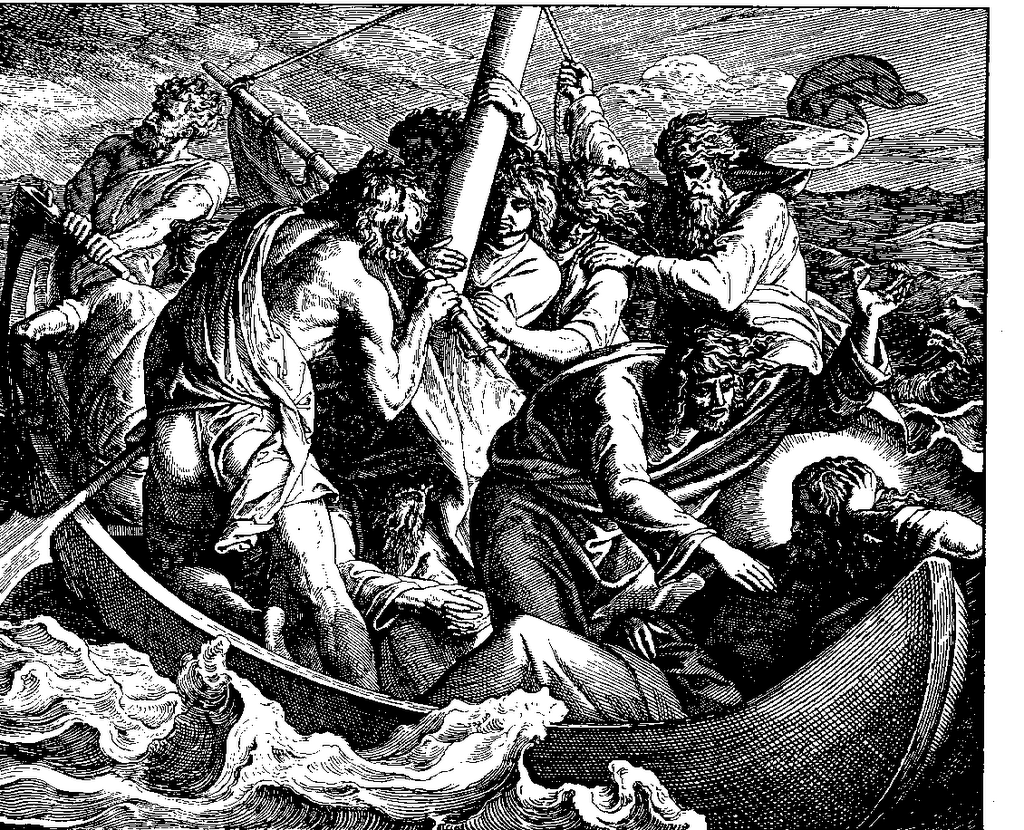
SERMO 63 S. Aurelii Augustini

DE VERBIS EVANGELII MT 8, 23-27:
"
ET ASCENDENTE EO IN NAVICULAM", ET CETERA

Somnus Christi signum est sacramenti.

1. De lectione recentissima sancti Evangelii, donante Domino, alloquor vos, et in illo exhortor, ut contra tempestates et fluctus saeculi huius non dormiat fides in cordibus vestris. Non enim revera Dominus Christus mortem habuit in potestate, somnum non habuit in potestate; et forte Omnipotentem navigantem somnus pressit invitum. Hoc si credideritis, dormit in vobis: si autem in vobis vigilat Christus, vigilat fides vestra. Apostolus dicit: Habitare Christum per fidem in cordibus vestris. Ergo et somnus Christi signum est sacramenti. Navigantes sunt animae in ligno saeculum transeuntes. Etiam navis illa Ecclesiam figurabat. Et singuli quippe templa sunt Dei, et unusquisque in corde suo navigat: nec facit naufragium, si bona cogitat.

Vindicta conturbat cor tuum: ignosce, tranquillitas erit.

2. Audisti convicium, ventus est: iratus es, fluctus est. Vento igitur flante, fluctu surgente, periclitatur navis, periclitatur cor tuum, fluctuat cor tuum. Audito convicio vindicari desideras: et ecce vindicatus es, et malo alieno gaudens, fecisti naufragium. Et quare hoc? Quia dormit in te Christus. Quid est, dormit in te Christus? Oblitus es Christum. Excita ergo Christum, recordare Christum, evigilet in te Christus: considera illum. Quid volebas? Vindicari. Excidit tibi, quia ipse cum crucifigeretur dixit: Pater, ignosce illis, quia nesciunt quid faciunt? Qui dormiebat in corde tuo, noluit vindicari. Excita illum, recole illum. Memoria ipsius, verbum ipsius: memoria ipsius, iussio ipsius. Et dices apud te, si vigilat in te Christus: Qualis ego homo, qui volo vindicari? Qui sum ego, qui in hominem exsero comminationes? Morior forte antequam vindicer. Et cum anhelans, ira inflammatus, et sitiens vindictam, exiero de corpore, non me suscipit ille qui noluit vindicari: non me suscipit ille qui dixit: Date, et dabitur vobis; dimittite, et dimittetur vobis. Ergo compescam me ab iracundia mea, et redibo ad quietem cordis mei. Imperavit Christus mari, facta est tranquillitas.

Christum excitemus ut in tranquillo navigamus.

3. Quod autem dixi ad iracundiam, hoc tenete regulariter in omnibus tentationibus vestris. Nata est tentatio, ventus est: turbatus es, fluctus est. Excita Christum, loquatur tecum. Quis est hic, quando et venti et mare obediunt ei? Quis est hic, cui obaudit mare? Ipsius est mare, et ipse fecit illud. Omnia per ipsum facta sunt. Magis imitare ventos et mare: obtempera Creatori. Sub iussione Christi mare audit, et tu surdus es? Mare audit, et ventus cessat, et tu sufflas? Quid? Dico, facio, fingo: quid est aliud nisi sufflare, et sub verbo Christi nolle cessare? Non vos vincat fluctus in perturbatione cordis vestri. Sed tamen quia homines sumus, si ventus impulerit, si affectum animae nostrae moverit, non desperemus: Christum excitemus, ut in tranquillo navigemus, et ad patriam veniamus. Conversi ad Dominum, etc.

szombat, december 16, 2006

"Tridentine Manifesto" for the liberalisation of the Classical Roman Rite (16 December 2006)

LATIN TEXT:

Homines doctos atque eruditos cunctos et universos hortari velim, ut faveant Benedicto XVI Summo Pontifici, quippe Qui lautum copiosumque cultus et humani et divini patrimonium tuendum praedicandum esse censuerit. Digna est enim Eius sententia ut prodatur memoriae, quamvis greges eorum, qui rationis lucem reformidant atque aliorum de re divina repudiant opiniones, in Pontificem acerbissime invehantur. Nuper Arturus Medina S.R.E. Cardinalis, e delectis viris Ecclesiae Dei tuendae, qui disputarunt num sacri ritus Latina lingua impune fieri possent, omnium admiratione: “Mox Summus Pontifex – nuntiavit – motu proprio concedet ut Missa Latina, iuxta Sancti Pii V missale, iterum celebretur”. Quod quidem haud leve habebit momentum non modo Ecclesiae sed civitati quoque et cultui constabiliendis. Etenimvero intellegentes laici omnium primi senserunt quid detrimenti etiam cultus humanus esset accepturus, si aboleretur liturgia Piana atque ipsa Ecclesiae lingua sacra exolesceret.

Quum vero, abhinc XL annis, contra Concilii decreta, ne vetus Ecclesiae liturgia, qua quidem Patres in Concilio ritus celebrarunt, amplius fieri liceret sancitum est, maxima doctorum pars merito hoc sunt criminati, quod Civitatis Christiane velut radix excideretur: fuisse enim liturgiam fontem et originem operum politissima arte factorum. Itaque binae litterae pro Missa Piana sunt in publicum editae, priores anno post Christum natum MCMLXVI, alterae anno MCMLXXI, quas litteras inter alios subsignarunt Georgius Aloisius Borges, Georgius de Chirico, Helena Croce, W. H. Auden, Bressonius et Dreyerus scenarum artifices, Augustus del Noce, Iulianus Green, Iacobus Maritain (vir apprime doctus et a Paulo VI quam maxime dilectus, cui Pontifex decretum eruditis destinatum tradiderat); tum Eugenius Montale, Christina Campo, Franciscus Mauriac, Salvator Quasimodo, Evelyna Waugh, Maria Zambrano, Elemirus Zolla, Gabriel Marcel, Salvator de Madariaga, Ioannes Franciscus Contini, Iacobus Devoto, Ioannes Macchia, Maximus Pallottino, Hector Paratore, Georgius Bassani, Marius Luzi, Vido Piovene, Andrea Segovia, Haroldus Acton, Agatha Christie, Graham Green, aliique quam plurimi, quibus annumerandus Vilelmus Rees-Mogg, moderator ille ephemeridis Britannicae, cui titulus “Tempus”.

Quorum plerique saeculares fuerunt, quoniam omnibus hereditate contigit prisca liturgia Latina, quae est eius praestantia in re civili et divina, haud secus ac Sacellum Xystinum, Cantus Gregoriani, aedes cathedrales, Gothorum statuaria, Basilica Petriana; quin etiam huius liturgiae patrimonium eo diligentius est hisce temporibus tuendum, quo magis Europaeorum Civitas radices velut suas excidere ac deserere periclitatur.

Singulariter autem accidit ut ipsi Catholici novatores, qui dialogi momentum cum mundo saeculari et nostrae aetatis hominibus, quasi vexillum, proposuerant, nihil curarent opiniones eruditorum et XL annis linguae Latinae servarent interdictum: o arbitrium non prius auditum! Mense autem Aprili anni MMV, paulo ante quam Benedictus XVI ad pontificatum eligeretur, Vido Ceronetti, scriptor idemque laicus, epistulam ad novum pontificem edidit, qua rogat ut “detrahatur triste capistrum, qua vox Latina in ritu suffocatur”. Ceterum Iosephus Ratzinger, cardinalis quum esset, apertis verbis fatens Missam Pianam contra omnia vetustatis exempla vetitam esse: “Numquam – inquit – Ecclesia post hominum memoriam ritus orthodoxos abolevit aut vetuit: hoc enim ab ipsa Ecclesiae indole alienum fuisset!”. Idem libro quodam concitate narravit quid de missali a Paulo VI modo publicato sentiret: “Quod Missalis Piani usus vetabatur – ait – percussit me et perturbavit, quandoquidem quippiam simile nullo vetustatis exemplo in liturgiae vicibus confirmabatur; contra autem callide effecerunt ut prohibitio tanquam mos usque adhuc retentus haberetur. Praeterea, vetantes missalis usum, quod inde a priscis Ecclesiae sacramentalibus saeculorum decursu coaluerat, liturgiae gradus et aetates velut interciserunt, ex quo nihil erat oriturum nisi calamitas… aedibus antiquis dirutis, novae sunt exstructae!”.

Quid inde consecutum est nisi damnum magnum? Etenim in re liturgica inita est via licentiae atque intemperantiae. Iosephus Ratzinger cardinalis: “Mihi – ait – persusum est Ecclesiae discrimen, in quo versamur, plerumque ex liturgiae dissolutione proficisci, quae interdum putatur, etsi Deus non daretur, quasi nihil referret utrum Deus sit, audiat nos, nobiscum colloquatur, necne. At si in ritibus iam non apparent fidei communio, universalis unitas Ecclesiae eiusque historiae, mysterium Christi viventis, ubinam Ecclesia iterum appareat cum sua natura spiritali?”.

Nunc vero Deo volente accidit ut cardinalis ille Ratzinger, pontifex creatus, interdictum de prisca liturgia sit aboliturus, cultus libertatem instauraturus, Ecclesiae atque hominum societati redditurus uberrimum copiosumque thesaurum. Itaque Iosephus Ratzinger certis argumentis probatur inter sapientissimos quosque horum temporum merito referri; iis autem qui illiberaliter acerbeque in Eum intra ipsa Ecclesiae moenia invehentur, quemadomodum iam praenuntiarunt Galliae episcopi, oportet ut refragetur turba cultior, quae abhinc XL annis opinionem suam de re aperuit. Quae quum ita sint, rogo homines laicos eruditosque ut coram populo assentiantur. En igitur habeatis tabulam, quam suadeo ut subsignetis:

Nos apertis verbis assentimur Benedicto XVI, quod interdictum de prisca missa, iuxta Sancti Pii missale celebranda, quae missa quasi copiosum cultus humani patrimonium tuenda est et consideranda, abolere statuerit.

Guido Ceronetti, René Girard, Antonio Socci, Vittorio Strada, Franco Zeffirelli

-------------------------------------------------------------

ENGLISH TRANSLATION:

The announcement was given by Cardinal Arturo Medina Estevez, a member of the Ecclesia Dei commission which met to discuss the liberalization of the Latin Mass. The prelate said, "The publication of the Motu Proprio by the Pope which will liberalize the celebration of the Latin Mass according to the Missal of Saint Pius V is close." It is an extraordinarily important event for the Church and even for the culture and history of our civilization. Historically, lay intellectuals were actually those to realize more and better the disaster, the actual cultural destruction, represented by the "prohibition" of the liturgy of Saint Pius V and the disappearance of Latin as sacred language of the Catholic Church.

When, 40 years ago -- in contravention to the documents of the Council -- the prohibition of the ancient liturgy of the Church (that which had been celebrated even during the Council) was imposed, there was a great and meritorious protest by very important intellectuals who considered this decision as an attack on the roots of our Christian Civilization (the liturgy has always been a center and a fountain of the most sublime art). Two appeals were published in defense of the Mass of Saint Pius V, in 1966 and 1971. These are some of the names which undersigned them: Jorge Luís Borges, Giorgio De Chirico, Elena Croce, W. H. Auden, the directors Bresson and Dreyer, Augusto Del Noce, Julien Green, Jacques Maritain (who indeed was the favorite intellectual of Paul VI, the one to whom the Pope had given the letter to intellectuals at the end of the Council), Eugenio Montale, Cristina Campo, François Mauriac, Salvatore Quasimodo, Evelyn Waugh, Maria Zambrano, Elémire Zolla, Gabriel Marcel, Salvador De Madariaga, Gianfranco Contini, Giacomo Devoto, Giovanni Macchia, Massimo Pallottino, Ettore Paratore, Giorgio Bassani, Mario Luzi, Guido Piovene, Andrés Segovia, Harold Acton, Agatha Christie, Graham Greene, and many others, incuding the editor of the “Times”, William Rees-Mogg.

They are largely lay intellectuals because the cultural and spiritual value of the ancient Latin liturgy is a legacy of all, as is the Sistine Chapel, as is the Gregorian [chant], as the great cathedrals, Gothic sculpture, the Basilica of Saint Peter also are. Even more so today, when our entire European Civilization risks to cut off and deny its own roots.

Curiously, even "progressive Catholics", who made the dialogue with the world and with modern culture their banner, did not give any regard and fought for forty years to keep this incredible prohibition. An unprecedented arbitrariness. In April 2005, at the eve of the election of Benedict XVI, it was a lay writer, Guido Ceronetti, who writes, in La Repubblica, an open letter to the new Pope, in which he asked "that the sinister suffocating gag on the Latin voice of the Mass be removed". When he was a cardinal, Ratzinger declared that the prohibition of the Mass of Saint Pius V was unprecedented: "throughout her history, has never abolished nor forbidden orthodox liturgical forms, which would be quite alien to the very spirit of the Church". In one of his books, he retold dramatically how he had viewed the publication of the missal of Paul VI: "I was dismayed by the prohibition of the old missal, since nothing of the sort had ever happened in the entire history of the liturgy. The impression was even given that what was happening was quite normal," but, Ratzinger wrote, "the prohibition of the missal that was now decreed, a missal that had known continuous growth over the centuries, starting with the sacramentaries of the ancient Church, introduced a breach into the history of the liturgy whose consequences could only be tragic ... the old building was demolished, and another was built."

The effects were disastrous. The road to incredible abuses in the liturgy was opened. Ratzinger writes, "I am convinced that the crisis in the Church that we are experiencing today is to a large extent due to the disintegration of the liturgy, which at times has even come to be conceived of etsi Deus non daretur: in that it is a matter of indifference whether or not God exists and whether or not He speaks to us and hears us. But when the community of faith, the world-wide unity of the Church and her history, and the mystery of the living Christ are no longer visible in the liturgy, where else, then, is the Church to become visible in her spiritual essence?"

That same Ratzinger, now Pope Benedict XVI, who prepares to cancel the prohibition, will find opposition even inside the Church (already pre-announced by the French bishops) and he deserves an answer from the world of culture which, forty years ago, made its voice heard. I ask intellectuals and whomever may wish to do so to sign this synthetc manifesto:

We express our praise for the decision of Benedict XVI to cancel the prohibition of the ancient Mass in Latin according to the Missal of Saint Pius V, a great legacy of our culture, which must be saved and rediscovered.